
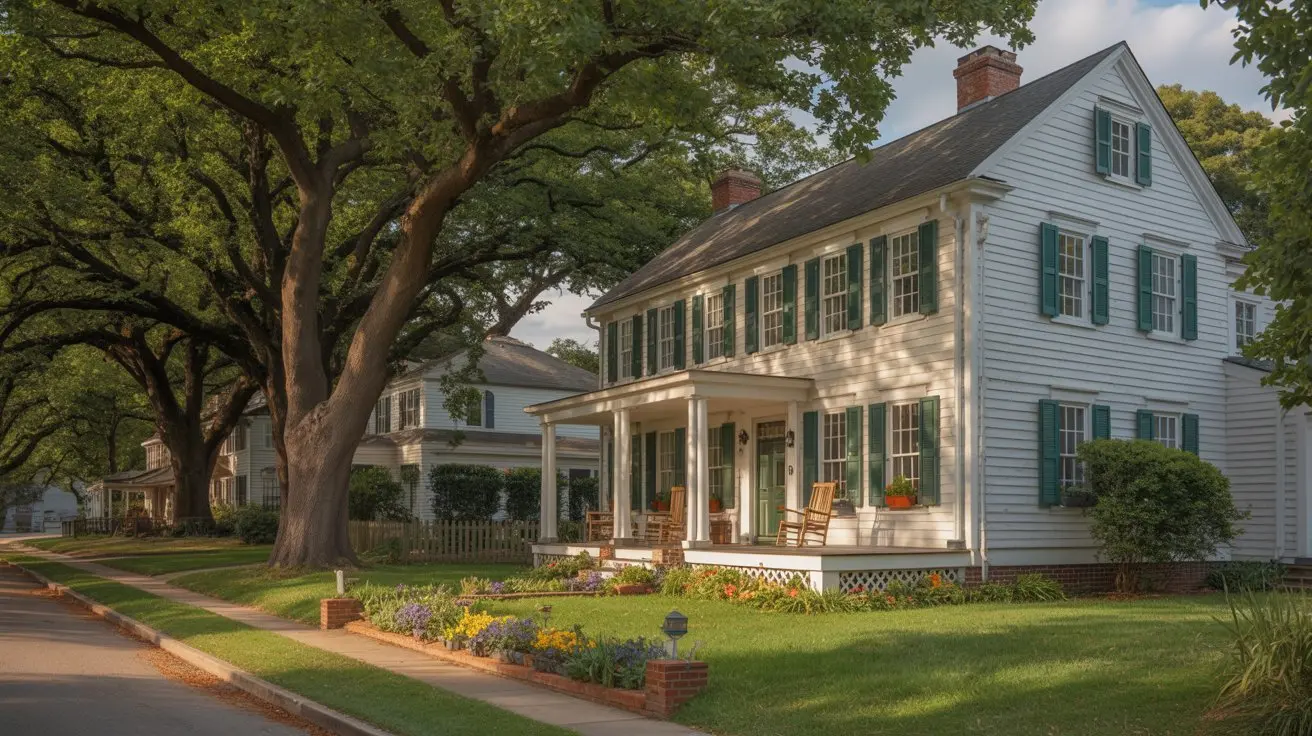
Buying or updating a home policy can feel oddly stressful, even when you’re doing everything “right.” You’re trying to protect a place you worked hard for, but the terms are unfamiliar, quotes vary a lot, and every option seems to come with a catch.
This guide is meant to take the pressure off. It’s a practical, Georgia-focused walkthrough that helps you make decisions with clarity, not guesswork. By the end, you’ll understand:
-
what a typical policy does and does not protect
-
how lenders think about coverage, and what you can control
-
how to choose coverage limits that actually match your home
-
how deductibles, claims history, and credit can affect pricing
-
how to compare quotes so you’re not just shopping by monthly payment
-
what to do if your home is harder to insure, like a townhouse, condo, or higher-risk property
I’m going to write this the way I’d explain it if you were sitting across the table from me. Not as a sales pitch, and not as a pile of insurance jargon, just the real-world steps that help you get protected with fewer surprises.
What Is Homeowners Insurance and Do You Really Need It in Georgia?
Home insurance is a package policy that protects your house, your belongings, and your financial risk if someone gets hurt or you accidentally damage someone else’s property. In Georgia, you usually “need it” because your mortgage lender requires it, and even if you pay cash, you still need protection because a single loss can derail your finances.
Most standard policies are built around a common form called an HO-3, which covers your home for a broad list of risks, and your belongings for named risks. The exact details depend on the carrier and endorsements, but the structure is consistent.
A simple way to think about it: this policy is less about “checking a box” and more about protecting your net worth.
I’ve worked with buyers who assumed they could skip coverage because they were paying cash. Then a small kitchen fire turned into smoke damage across the entire home. Without coverage, it wasn’t just repairs; it was hotel costs, cleanup, and replacing damaged items, all out of pocket.
Is Homeowners Insurance Required by Law in Georgia?
Before you decide anything, it’s important you understand this clearly.
Georgia does not generally require you to carry a home policy just because you own a house, but lenders almost always require proof of coverage before closing and throughout the life of the loan. The Georgia Office of Commissioner of Insurance and Safety Fire also explains home insurance basics for consumers, including what it generally covers and why it varies by policy.
What that means for you:
-
Mortgage or refinance: expect a requirement for hazard coverage, often with specific limits and deductible rules.
-
Paid-off home: not legally required in most situations, but financially risky to go without.
-
HOA communities: the association’s master policy may cover part of the structure, but it rarely replaces your need for your own policy.
What Does a Standard Homeowners Insurance Policy Cover in Georgia?
Right now, you might be trying to relate this to your own situation, so let me make it concrete.
A standard home policy usually covers four core areas: the structure, your belongings, liability, and living expenses if you can’t stay in the home after a covered loss. The Georgia OCI notes that home insurance in Loganville, GA typically covers losses and damages to a private residence and its contents, and that coverage varies based on policy type, liability limits, deductible, and property value.
Here’s a clean breakdown of what most policies include:
-
Dwelling Coverage Protects: The house itself and attached structures. Real-life examples: Fire damage, wind damage, fallen tree impact.
-
Personal Property Protects: Your belongings. Real-life examples: Furniture, clothing, electronics, appliances.
-
Liability Protection Protects: Your financial exposure if you’re responsible for injury or damage. Real-life examples: Guest slips on steps, dog bite claim, accidental property damage.
-
Additional Living Expenses (ALE) Protects: Temporary living costs if your home is unlivable after a covered loss. Real-life examples: Hotel, short-term rental, extra meals, pet boarding (varies).
-
Medical Payments Protects: Small medical bills for injuries on your property, regardless of fault. Real-life examples: Minor guest injury needing urgent care.
The important part is this: “covered” depends on the cause of loss and your endorsements. Two policies can look similar on paper and behave differently in a claim.
A client had a severe wind event that tore shingles off and caused water intrusion. The dwelling coverage handled the roof repair, but the claim became smoother because documentation was clear and the deductible type was understood from day one.
What Are the Most Common Exclusions in Georgia Policies?
If this feels confusing at first, let me simplify it for you.
Most standard home policies do not cover flood and earthquake damage, and you usually need separate policies for those. The Georgia OCI specifically warns that most policies do not cover losses from natural disasters like floods or earthquakes and that separate coverage is often needed.
Common gaps to watch for in Georgia:
-
Flooding: typically requires a separate flood policy, often through FEMA’s NFIP, or a private flood carrier.
-
Earthquake: usually separate coverage if needed.
-
Water backup: sewer or drain backup is commonly an endorsement, not automatic coverage.
-
Mold: may be limited or excluded depending on cause and wording.
-
Windstorm or named storm deductibles: deductibles can be different for certain storm categories, depending on your policy.
I’ve seen people assume “water damage” means “any water damage.” Then a sewer backup happens, and they learn too late that the endorsement was never added.
How Much Homeowners Insurance Coverage Do You Actually Need?

From my experience, this is where most clients want a clear answer.
You need enough dwelling coverage to rebuild your home at today’s construction costs, not the price you paid, and not the county tax assessment. You also need personal property and liability limits that match how you live, what you own, and the financial risk you want to protect.
A practical starting point:
-
Dwelling: based on rebuild cost, including labor and materials.
-
Personal property: based on realistic replacement of what’s inside your home.
-
Liability: high enough that a serious claim doesn’t put your savings at risk.
-
ALE: enough to cover temporary housing in your area for a realistic time window.
If you want one guiding rule: don’t set limits based on what “feels affordable” monthly. Set limits based on what would be financially painful to replace.
When we estimate rebuild cost, we look at square footage, materials, roof type, interior finishes, and special features. A home with custom cabinetry and upgraded flooring can be dramatically more expensive to rebuild than a basic finish, even at similar market values.
For more insights on handling insurance claims in Georgia, check out our Insurance Claims Tips in Georgia blog. It will help you better navigate the claims process and ensure you’re adequately covered.
Replacement Cost vs. Actual Cash Value: Which Should You Choose?
At this point, it’s completely natural if you have a few questions in mind about how payouts really work.
If you can afford it, replacement cost coverage is usually the safer choice because it pays to replace damaged property without subtracting depreciation. Actual cash value subtracts depreciation, which can leave you short, especially for roofs, older systems, and high-use items.
Here’s a clean comparison:
How payout is calculated
-
Replacement Cost Value: Cost to replace with similar new items.
-
Actual Cash Value: Replacement cost minus depreciation.
Best for
-
Replacement Cost Value: People who want fewer out-of-pocket surprises.
-
Actual Cash Value: People prioritizing lower premium.
Common risk
-
Replacement Cost Value: Slightly higher premium.
-
Actual Cash Value: Lower payout, bigger gap after a loss.
A simple way to visualize it:
-
New roof cost today: $10,000
-
Depreciation applied under ACV: $4,000
-
ACV payout: ~$6,000 (before deductible)
-
Replacement cost payout: ~$10,000 (before deductible)
I’ve had clients who chose ACV to save on premium, then a loss happens and they can’t complete repairs without pulling cash or financing the difference. The “savings” disappears fast when the payout is lower than expected.
How Can You Get Cheap Homeowners Insurance in Georgia Without Cutting Corners?
You may already be wondering whether saving money always means giving something up.
You can often lower your premium without creating dangerous gaps by focusing on deductible strategy, verified discounts, risk-reducing improvements, and smarter shopping. The goal is not “cheapest,” it’s “best value for the risk you’re actually carrying.”
Practical ways to reduce cost while staying protected:
-
Bundle policies (home + auto) to access multi-policy discounts.
-
Increase your deductible to reduce premium, if you can comfortably pay it after a loss.
-
Add protective devices (alarm system, deadbolt locks, smoke detectors) and make sure they’re listed correctly for discounts.
-
Avoid small claims when it makes sense to pay out of pocket, because claims history can affect pricing and eligibility.
-
Review endorsements so you’re not paying for things you don’t need, but also not missing what you do need.
A quick “value” table you can use while reviewing quotes:
-
Higher Deductible Typical effect: Lower premium. Risk to watch: You must afford the deductible quickly.
-
Bundling Typical effect: Often meaningful savings. Risk to watch: Make sure both policies stay competitive.
-
Verified Security Features Typical effect: Discount potential. Risk to watch: Discounts vary, documentation matters.
-
Claims-Free History Typical effect: Better pricing/eligibility. Risk to watch: Don’t file small claims by habit.
-
Updated Roof or Systems Typical effect: Can reduce risk rating. Risk to watch: Provide proof if requested.
How Do Credit Scores and Claims History Affect Your Rates in Georgia?
If you’re feeling unsure about this part, you’re not alone.
Many insurers use a credit-based insurance score and claims history as rating factors, which can influence both price and eligibility. That’s why two homeowners with similar houses can get very different quotes. National consumer guidance also highlights credit and claims history as major premium drivers, along with location, deductible, and home condition.
What you can do that’s realistic:
-
keep insurance shopping consistent (frequent shopping can sometimes trigger extra verification)
-
avoid filing small claims when you can afford the repair
-
ask what documentation helps, like proof of updates or roof replacement
-
correct errors in loss history reporting if something looks wrong
Are There Special Rules for Townhouses, Condos, or High-Risk Homes in Georgia?
Let’s pause for a moment and look at this from your perspective, because property type changes the whole setup.
Yes, townhouses and condos often have shared responsibility between you and the HOA, and higher-risk homes may need non-standard options if the voluntary market declines coverage. The policy form can shift, and the “who covers what” question matters more than most people expect.
Contact Insuramerica in Loganville, GA today for expert home insurance guidance tailored to your needs!: start by requesting the HOA master policy, then confirm whether you need “walls-in” coverage, and choose limits based on what the HOA does not cover.
A simple HOA split overview:
-
Exterior Structure HOA master policy often covers: Often yes. Your policy often covers: Sometimes, depends on HOA.
-
Interior Finishes HOA master policy often covers: Sometimes limited. Your policy often covers: Often yes (walls-in).
-
Personal Property HOA master policy often covers: No. Your policy often covers: Yes.
-
Liability (your actions) HOA master policy often covers: No. Your policy often covers: Yes.
-
Loss Assessment HOA master policy often covers: Sometimes. Your policy often covers: Often endorsement needed.
For high-risk scenarios, Georgia also has a last-resort option associated with the Georgia Underwriting Association, commonly referenced as a FAIR Plan approach for basic property coverage when standard carriers decline.
I’ve seen townhouse owners assume the HOA covers “everything structural,” then a covered loss hits inside the unit and they learn the master policy stops at studs. The right walls-in setup prevents that surprise.
How Do You Shop for and Compare Homeowners Insurance Quotes in Georgia?
You’re probably asking yourself how this actually works in real life, so I’ll keep it step-by-step.
To compare quotes properly, you need consistency: same dwelling limit, same deductible structure, similar endorsements, and clearly stated replacement cost terms. Otherwise, you’re comparing different products that only look similar because the monthly payment is close.
A practical quote process:
-
Gather basics: address, year built, roof age, square footage, major updates, prior claims.
-
Decide rebuild-focused dwelling limit, not market value.
-
Choose a deductible you can actually pay after a loss.
-
Compare endorsements that matter in Georgia: water backup, ordinance or law, loss assessment (for HOA), and roof settlement terms.
-
Review exclusions and special deductibles in writing.
-
Confirm company and agent licensing.
A homeowner once showed me three quotes with a $400 monthly gap between them. Once we normalized the dwelling limit, deductible, and roof settlement terms, the “cheap” quote wasn’t cheaper anymore. It was just lighter.
For more insights on auto insurance claims, don’t miss our detailed guide on Essential Auto Insurance Claim Tips for Georgia Drivers. Learn how to negotiate your settlement, prepare for adjuster visits, and ensure a fair resolution for your claim.
Why Choose Insuramerica for Your Homeowners Insurance? We Put Your Needs First
If you’ve made it this far, you’re not just shopping, you’re trying to avoid the wrong decision.
Insuramerica is built for homeowners who want clear guidance, multiple carrier options, and a policy that matches real risk, not a generic template. We’ve been serving families and businesses since 1972, and as an independent agency, we’re not locked into one carrier’s rules or pricing.
What that means for you in plain terms:
-
More options: we can compare multiple carriers to fit your home type, budget, and risk profile.
-
Better clarity: we review deductibles, exclusions, and endorsements so you understand what you’re buying.
-
Policy fit over guesswork: we focus on rebuilding value, not market value, so limits make sense.
-
Support that stays available: if a claim happens, you’re not left trying to decode your policy alone.
If you want a free, no-obligation review or quote, call Insuramerica in Loganville, GA at 678-639-4000 and we’ll walk through your situation calmly and clearly. That’s the fastest way to get numbers that actually match your home.
FAQ Section
You may already be wondering about the most common “quick answers,” so here they are, in plain language.
What’s the average cost of homeowners insurance in Georgia?
It varies. Price depends on dwelling limit, ZIP code, roof age, deductible, claims, and credit score.
How quickly can I get a homeowners insurance quote in Georgia?
Same day in most cases. Sometimes in minutes if your home details are ready.
Do I need separate flood insurance if I live in Georgia?
Yes, if you want flood coverage. Standard homeowners policies usually do not cover floods.
Can bundling home and auto insurance really save money in Georgia?
Yes, often. Savings depends on the carrier and your profile.
What discounts are most common for Georgia homeowners?
Bundling, protective devices, newer home/updates, claims-free, paperless, pay-in-full.
How does a higher deductible lower my premium?
Yes, it usually lowers it. You pay more out of pocket if a claim happens.
What if I can’t get coverage from standard companies in Georgia?
You may still have options, including non-standard carriers or last-resort programs like the Georgia Underwriting Association approach.
When should I review or switch my homeowners insurance policy?
At least yearly, and after renovations, roof replacement, or major rate changes.
Conclusion
If you want to get this right in Georgia, focus on three things: insure your home for rebuilding cost, choose replacement-cost protection where it matters, and compare quotes on matching limits and deductibles, not just the monthly price.
Looking for reliable homeowners insurance in Loganville, GA? For a strong, no-pressure quote review, call Insuramerica (Loganville, GA) at or email to get your homeowners policy set up correctly and fast.


